
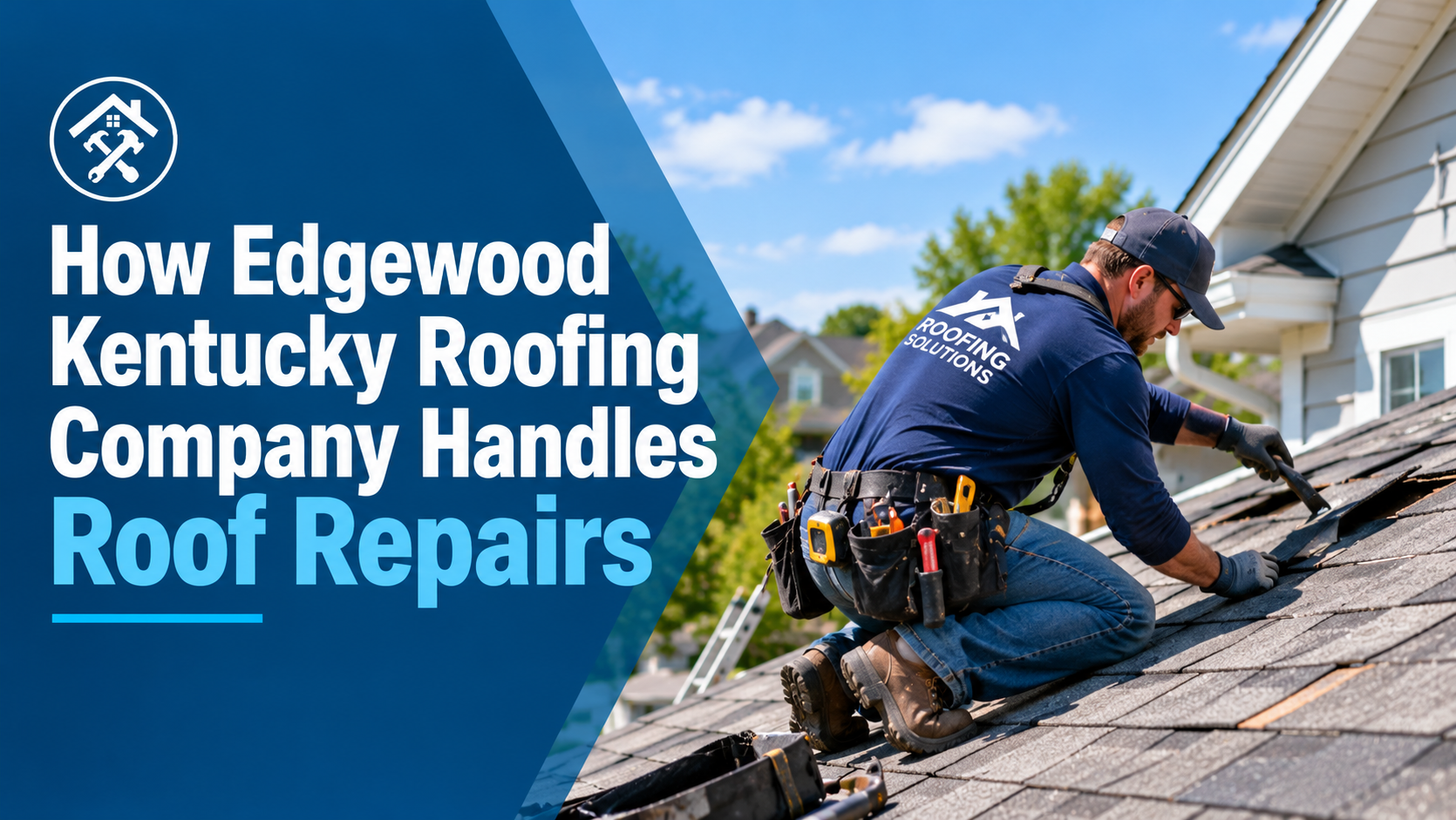
A damaged roof can quickly become a serious problem for homeowners, especially when heavy rain, strong winds, and changing weather conditions threaten the safety of a property. From missing shingles to persistent leaks, roof problems require timely attention to prevent additional damage and costly repairs. Understanding how a professional roofing contractor handles these issues can help homeowners make informed decisions about maintaining their roofs.
An experienced Edgewood Kentucky Roofing Company follows a systematic approach to roof repairs, beginning with a thorough inspection and ending with a careful assessment of the completed work. By identifying the source of the damage, recommending appropriate solutions, and using quality materials, roofing professionals help restore the roof’s performance and protect the home.
Understanding Common Roof Problems in Edgewood, Kentucky
Kentucky weather can expose residential roofs to various challenges throughout the year. Heavy rainfall, thunderstorms, wind, temperature fluctuations, and winter conditions can gradually weaken roofing materials.
Roof Leaks and Water Damage
Roof leaks are among the most common reasons homeowners request professional repairs. Water can enter through damaged shingles, deteriorated flashing, cracked seals, or compromised roof valleys. Even a small leak can damage insulation, ceilings, walls, and wooden structures if left untreated.
Roofing professionals investigate the source of moisture rather than simply covering visible stains. This approach helps ensure that repairs address the underlying issue.
Missing or Damaged Shingles
Strong winds and severe storms can loosen, crack, or remove shingles. Exposed areas allow water to penetrate the roofing system, increasing the risk of interior damage.
A roofing contractor checks the surrounding shingles to determine whether the problem affects a small section or a larger portion of the roof. Depending on the condition, the solution may involve replacing individual shingles or repairing a broader damaged area.
Damaged Flashing and Roof Components
Flashing protects vulnerable areas around chimneys, skylights, vents, and roof intersections. When flashing becomes loose, corroded, or improperly sealed, water may enter the home.
Professional roof repairs include examining these areas because problems around roof penetrations can cause leaks even when the shingles appear to be in good condition.
How an Edgewood Kentucky Roofing Company Approaches Roof Repairs
A reliable roofing contractor uses a structured process to identify damage, select suitable repair methods, and restore the roof’s protective function.
Step 1: Conducting a Thorough Roof Inspection
The repair process begins with an inspection of the roof’s overall condition. A roofing professional looks for missing shingles, damaged flashing, loose fasteners, deteriorated sealants, sagging sections, and signs of water intrusion.
The contractor may also examine the attic or interior ceilings for moisture stains, mold concerns, or damaged insulation.
This inspection helps determine the severity of the problem and whether the damage is limited to one area or affects multiple roof components. A clear assessment also allows homeowners to understand which repairs are necessary.
Step 2: Explaining the Damage and Recommended Solutions
After the inspection, the contractor explains the findings and discusses the recommended repair options. Homeowners should receive a clear description of the problem, the proposed work, the materials required, and the estimated cost.
For example, a small leak caused by loose flashing may require resealing or replacing the affected component. Widespread shingle deterioration, however, may indicate that more extensive repairs are necessary.
A professional contractor helps homeowners compare practical options without recommending unnecessary work.
Step 3: Completing Necessary Roof Repairs
Repairs address damage quickly to prevent further issues. Working with an experienced Edgewood Kentucky Roofing Company helps homeowners identify roofing problems and arrange appropriate solutions before moisture, wind, or continued exposure causes additional deterioration.
Depending on the inspection results, repair work may include replacing damaged shingles, securing loose roofing materials, repairing flashing, sealing vulnerable joints, or addressing minor damage to the roof decking.
Contractors also consider the existing roofing system when selecting replacement materials. Matching the material type, color, and installation requirements helps maintain the roof’s appearance and performance.
Step 4: Following Proper Safety Procedures
Roof repairs require specialized knowledge and equipment, particularly on steep or slippery surfaces. Professional roofers use appropriate safety procedures to reduce risks during inspections and repairs.
These precautions may include fall protection, suitable footwear, secure ladder placement, and careful handling of tools and materials.
Homeowners should avoid climbing onto a damaged roof themselves. A qualified contractor can assess the problem more safely and determine the appropriate repair method.
Step 5: Checking the Completed Work
After completing repairs, the roofing team should inspect the affected area to verify that the work has been performed correctly. This may include checking replacement shingles, flashing connections, seals, and other repaired components.
The contractor should also remove repair debris and explain any remaining concerns that require monitoring or future maintenance.
A final review helps homeowners understand what was repaired and whether additional work may be needed.
When to Contact a Fort Mitchell Roofing Company
Roofing problems are not limited to one community. Homeowners in nearby areas may experience similar damage caused by storms, aging materials, and poor ventilation.
A dependable Fort Mitchell Roofing Company can help residents address roof leaks, damaged shingles, flashing problems, and other common roofing concerns.
Recognizing Warning Signs Early
Homeowners should arrange an inspection when they notice:
- Water stains on ceilings or walls.
- Missing, cracked, or curling shingles.
- Shingle granules accumulating in gutters.
- Loose flashing around chimneys or vents.
- Damp attic insulation or unexplained moisture.
- Visible roof damage following a storm.
Not every roofing issue requires an immediate major repair, but early assessment can help prevent minor defects from developing into more expensive problems.
Understanding When Repairs Are Not Enough
Although many roofing problems can be resolved through targeted repairs, some roofs have extensive deterioration. Widespread leaks, significant structural damage, repeated repair needs, or advanced material aging may indicate that replacement deserves consideration.
A professional contractor can evaluate the roof’s condition and explain whether repairing the existing system remains practical.
The goal is to recommend a solution that addresses the damage while considering the roof’s remaining service life and the homeowner’s budget.
Benefits of Professional Roof Repair Services
Hiring a qualified roofing contractor offers several important advantages for homeowners.
Protecting the Home’s Structure
A properly maintained roof helps prevent water from damaging framing, insulation, drywall, and other building materials. Timely repairs also reduce the likelihood of moisture-related problems spreading throughout the home.
Supporting Long-Term Roof Performance
Replacing damaged materials and correcting installation issues can help extend the useful life of an existing roof. Routine inspections allow contractors to identify developing concerns before they become more complicated.
Improving Peace of Mind
Professional roof repairs provide homeowners with a clearer understanding of their roof’s condition. Knowing that damaged areas have been assessed and addressed can make it easier to prepare for future weather conditions.
Managing Repair Costs
Prompt attention to roofing issues may reduce the need for extensive restoration. Homeowners can also benefit from obtaining written estimates and understanding the scope of work before repairs begin.
How Homeowners Can Maintain Their Roof After Repairs
Roof maintenance does not end when the contractor finishes the job. Homeowners can take several practical steps to help preserve their roofing system.
Schedule Periodic Inspections
Regular professional inspections can identify loose shingles, deteriorating seals, and other developing problems. Inspections are particularly valuable after severe storms or when a roof is approaching the later years of its expected service life.
Keep Gutters and Downspouts Clear
Clogged gutters can interfere with drainage and contribute to water backing up near roof edges. Removing leaves and debris helps water flow away from the roof and foundation.
Address Problems Promptly
If a leak returns or new damage becomes visible, contact a roofing professional rather than relying on temporary fixes. Documenting the issue with photographs from a safe location can help explain the problem during an inspection.
Frequently Asked Questions
1. How do roofing companies identify the source of a roof leak?
Roofing contractors inspect shingles, flashing, valleys, vents, and other vulnerable areas. They may also examine the attic and interior ceilings for signs of moisture. This process helps identify the likely entry point and determine the appropriate repair.
2. How long does a typical roof repair take?
Minor repairs may be completed within a few hours, while more complicated projects can take a day or longer. The timeline depends on the extent of the damage, roof accessibility, material availability, and weather conditions.
3. Can damaged shingles be repaired without replacing the entire roof?
Yes. If the damage is localized and the surrounding roofing materials remain in good condition, replacing individual shingles or repairing a small section may be sufficient. Extensive deterioration may require a broader solution.
4. Should I schedule a roof inspection after a storm?
Yes. Strong winds, hail, and heavy rainfall can damage roofing materials even when the damage is not immediately visible from the ground. A professional inspection can identify issues before they lead to leaks.
5. How can I choose a reliable roofing contractor in Edgewood, Kentucky?
Look for a contractor with relevant experience, appropriate licensing where required, insurance, references, and clear written estimates. Ask about warranties, materials, project timelines, and the specific work included in the proposal.
6. Are roof repairs covered by homeowners insurance?
Coverage depends on the policy, the cause of the damage, and applicable exclusions. Sudden storm damage may be covered, while ordinary wear and tear is generally treated differently. Review your policy and contact your insurer before assuming a repair will be reimbursed.
Conclusion
Roof repairs play an essential role in protecting homes from moisture, severe weather, and structural deterioration. By conducting detailed inspections, identifying the source of damage, recommending suitable solutions, and checking completed work, an experienced Edgewood Kentucky Roofing Company helps homeowners maintain a dependable roofing system.
Whether the problem involves a leaking roof, missing shingles, damaged flashing, or storm-related deterioration, prompt professional attention can help prevent additional damage and control repair costs. Homeowners in nearby communities can also benefit from working with an experienced Fort Mitchell Roofing Company when roofing concerns arise.
With regular inspections, timely maintenance, and quality repairs, homeowners can protect their investment and improve their roof’s long-term performance.