
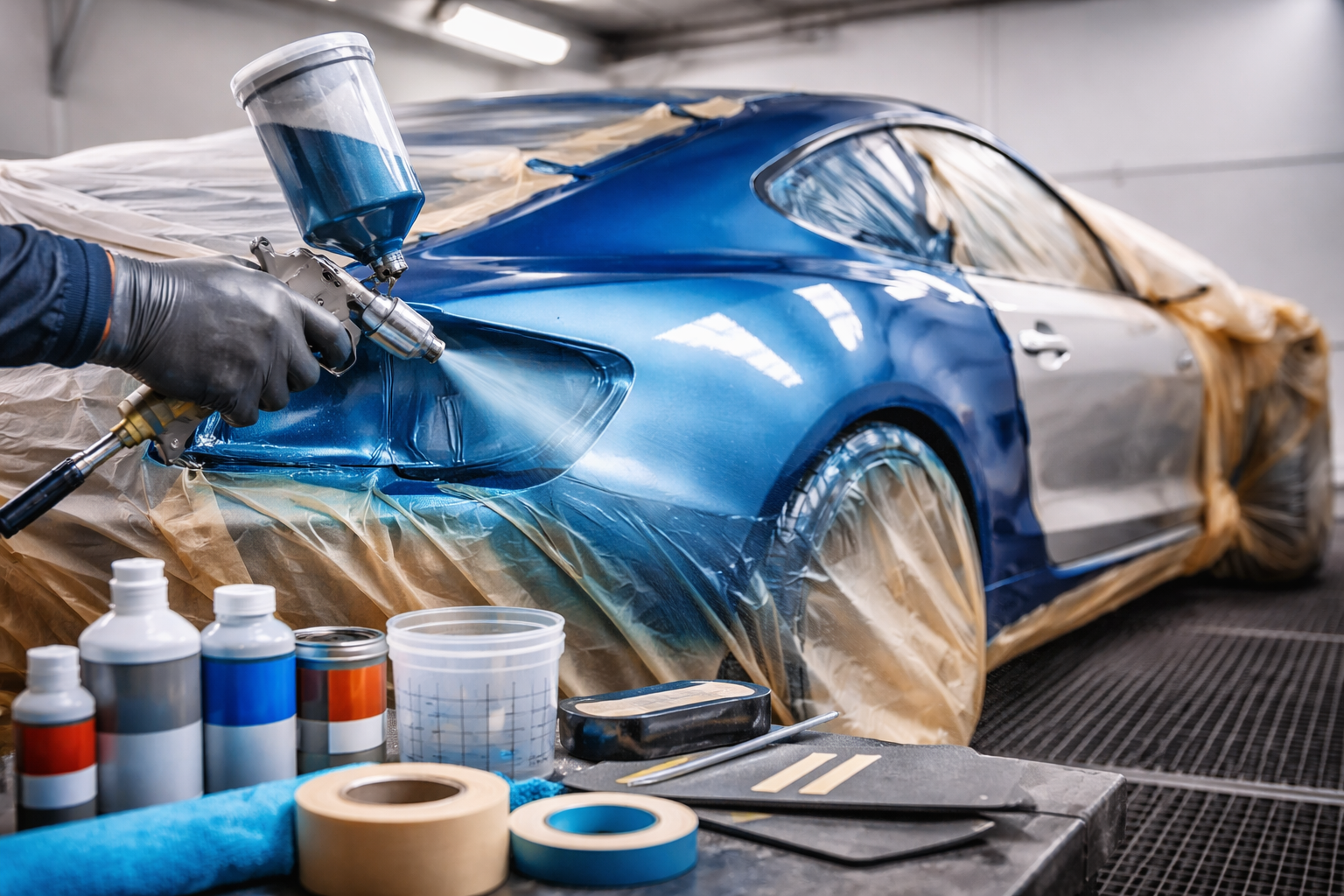
Understanding the Importance of Proper Preparation
One of the most common mistakes when working with auto base coat paint is inadequate surface preparation. A flawless finish starts long before the paint is applied.
Failing to clean the surface thoroughly can result in contaminants such as grease, dust, or wax interfering with paint adhesion. This often leads to peeling, bubbling, or uneven coverage. Always wash the vehicle, use a degreaser, and follow up with a tack cloth to remove any remaining particles.
Sanding is equally critical. Skipping or rushing this step can leave imperfections that become more noticeable after painting. Use the correct grit sandpaper and ensure a smooth, even surface before applying primer.
Choosing the Wrong Materials
Not all paints and tools are created equal. Selecting low-quality products can compromise the entire project.
When choosing automotive basecoat paint, it is essential to consider compatibility with your primer and clear coat. Mismatched products can cause reactions such as wrinkling or poor adhesion. Investing in reputable brands ensures consistency and durability.
Spray guns, compressors, and other tools also play a vital role. Using improper equipment can lead to uneven spray patterns, overspray, or wasted material. Make sure your tools are clean, properly calibrated, and suitable for the type of paint you are using.
Ignoring Environmental Conditions
Environmental factors can significantly impact the outcome of your paint job. Temperature, humidity, and airflow all affect how paint behaves.
Painting in a space that is too cold can slow drying times and cause the paint to sag. On the other hand, excessive heat can make the paint dry too quickly, leading to a rough or uneven finish. High humidity can introduce moisture into the paint, resulting in cloudiness or blushing.
Always aim to paint in a controlled environment, such as a well-ventilated garage or spray booth, where temperature and humidity can be managed effectively.
Applying Too Much or Too Little Paint
Achieving the right balance when applying base coat is crucial. One of the most frequent errors is applying paint too heavily or too lightly.
Applying too much paint at once can cause runs, sags, and extended drying times. This not only affects the appearance but also increases the likelihood of defects. On the other hand, applying too little paint can result in poor coverage and uneven color.
Use multiple thin coats instead of one thick coat. Allow proper flash time between layers to ensure each coat sets correctly before the next application.
Poor Spray Technique
Even with the best materials, improper spray technique can ruin the finish.
Holding the spray gun too close can cause heavy spots and runs, while holding it too far away can lead to dry spray and uneven coverage. Maintaining a consistent distance, typically 6 to 8 inches from the surface, helps achieve an even coat.
Additionally, inconsistent movement or overlapping can create streaks or patchy areas. Practice steady, controlled motions and overlap each pass by about 50 percent for uniform coverage.
Skipping the Test Spray
Many people jump straight into painting without testing their setup. This is a mistake that can easily be avoided.
A test spray allows you to check the paint consistency, spray pattern, and color match before applying it to the vehicle. It also gives you a chance to adjust your equipment and technique if needed.
Use a scrap panel or test card to ensure everything is working correctly before committing to the final surface.
Not Allowing Proper Drying Time
Patience is key when working with auto base coat paint. Rushing the process can lead to serious issues.
Each coat requires adequate time to flash and dry before the next layer is applied. Ignoring this can trap solvents, leading to bubbling, wrinkling, or poor adhesion.
Follow the manufacturer’s recommended drying times and avoid the temptation to speed things up with excessive heat or airflow.
Neglecting Clear Coat Application
The base coat alone does not provide the final finish or protection. Skipping or improperly applying the clear coat is another common mistake.
The clear coat enhances gloss, adds depth, and protects the base layer from UV damage, scratches, and environmental factors. Applying it incorrectly can result in a dull or uneven finish.
Just like the base coat, the clear coat should be applied in multiple thin layers with proper drying time between each coat.
Overlooking Safety Precautions
Working with automotive paints involves exposure to chemicals that can be harmful if proper safety measures are not taken.
Always wear protective gear, including a respirator, gloves, and eye protection. Ensure your workspace is well-ventilated to minimize inhalation of fumes.
Ignoring safety not only puts your health at risk but can also affect the quality of your work if you are not able to focus comfortably.
Failing to Maintain Equipment
Dirty or poorly maintained equipment can introduce contaminants into your paint and disrupt the spray pattern.
After each use, thoroughly clean your spray gun and other tools according to the manufacturer’s instructions. Regular maintenance ensures consistent performance and extends the life of your equipment.
Not Following Manufacturer Instructions
Every product has specific guidelines for mixing, application, and drying. Ignoring these instructions can lead to avoidable problems.
Always read and follow the technical data sheets provided with your paint and materials. These guidelines are designed to help you achieve the best possible results.
Final Thoughts
Avoiding common mistakes when using automotive basecoat paint comes down to preparation, patience, and attention to detail. From selecting the right materials to mastering your spray technique, every step plays a role in the final outcome.
By taking the time to understand the process and avoid these pitfalls, you can achieve a professional-quality finish that enhances both the appearance and longevity of your vehicle. For more insights and expert tips, visit https://stockhausen.org/ and explore additional resources on achieving flawless paint results.
FAQs
What is the most common mistake when applying auto base coat paint?
The most common mistake is poor surface preparation, which can lead to adhesion issues and an uneven finish.
How many coats of base coat should I apply?
Typically, two to three thin coats are recommended, depending on the color and coverage needed.
Why does my paint look uneven after drying?
Uneven paint can result from improper spray technique, inconsistent application, or environmental factors like temperature and humidity.
Can I skip sanding before applying base coat?
No, sanding is essential for creating a smooth surface and ensuring proper paint adhesion.
How long should I wait between coats?
Follow the manufacturer’s guidelines, but generally, you should allow 10 to 20 minutes of flash time between coats.
Do I always need a clear coat?
Yes, a clear coat is necessary to protect the base coat and provide a glossy, durable finish.